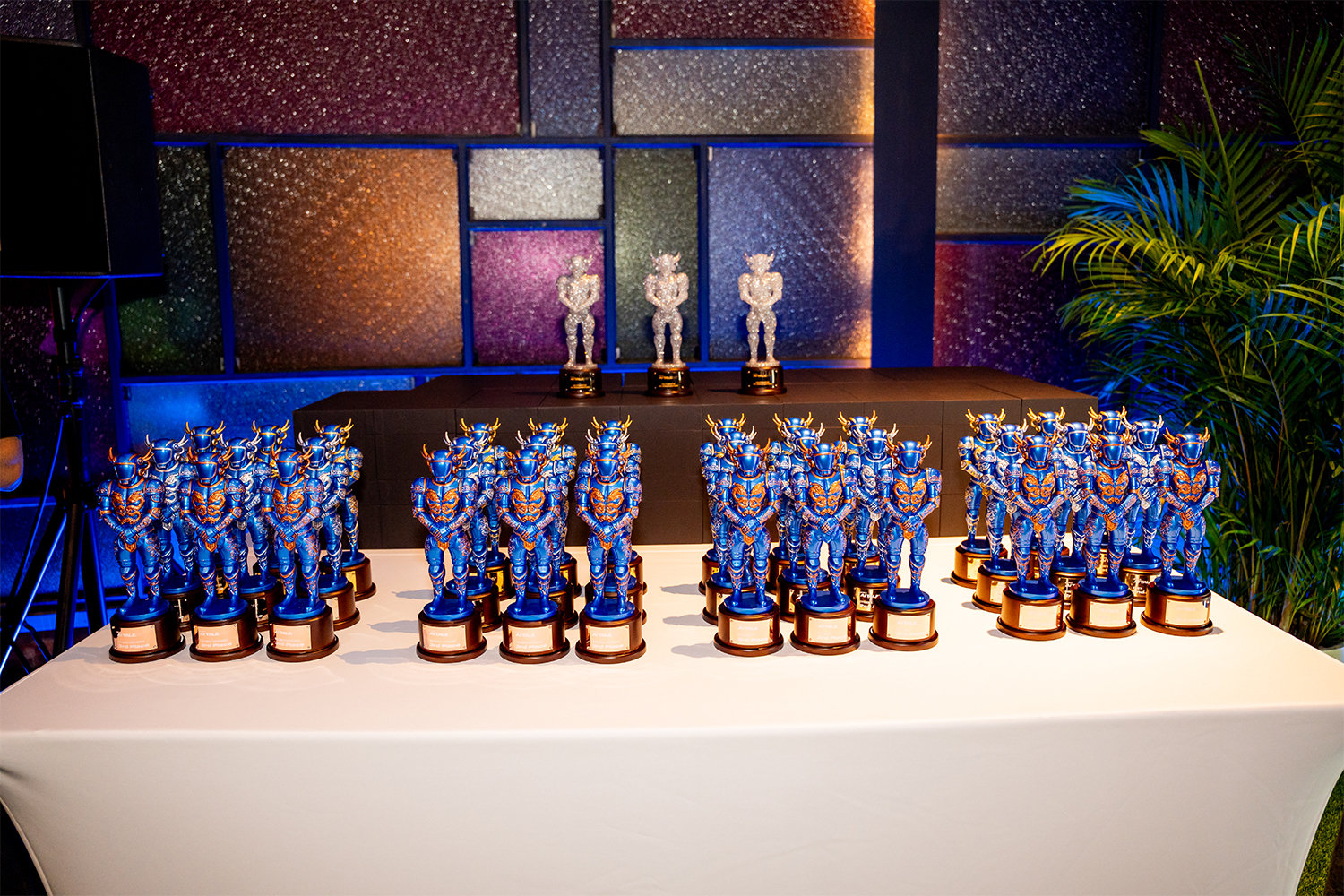

From an ecosystem experiment to a Shenzhen stage, and the decision that made the difference
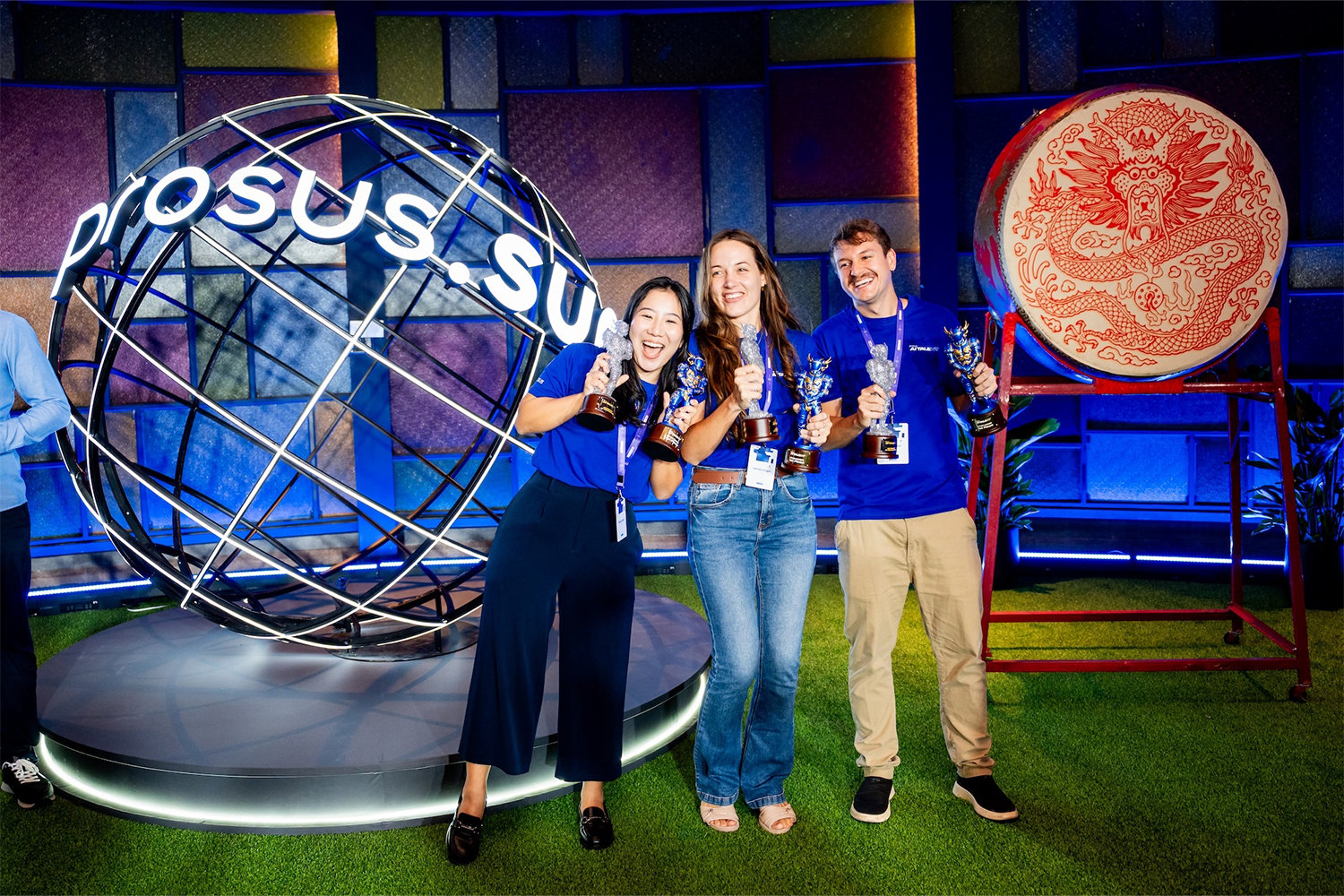
Dive into our worlds - Gabriela Borges, Mariane Bando, and Bruno Carmo, Data Science Team, iFood
At Prosus, a simple idea sparked something big:
What if anyone, not just developers, could build AI that solves real problems?
That idea became the Prosus AI Talent Competition.
Across the ecosystem, from iFood to OLX, Despegar to eMAG, thousands of people were given the same starting point: Here’s the technology. Now build something that matters.
No gatekeeping.
No requirement to be an AI expert.
Just real problems, solved by the people closest to them.
The response was immediate.
Customer teams built AI assistants.
Operations teams automated workflows.
Marketing teams reimagined content creation.
From more than 1,000 teams, 12 were selected, not for being the flashiest, but for already creating real impact.
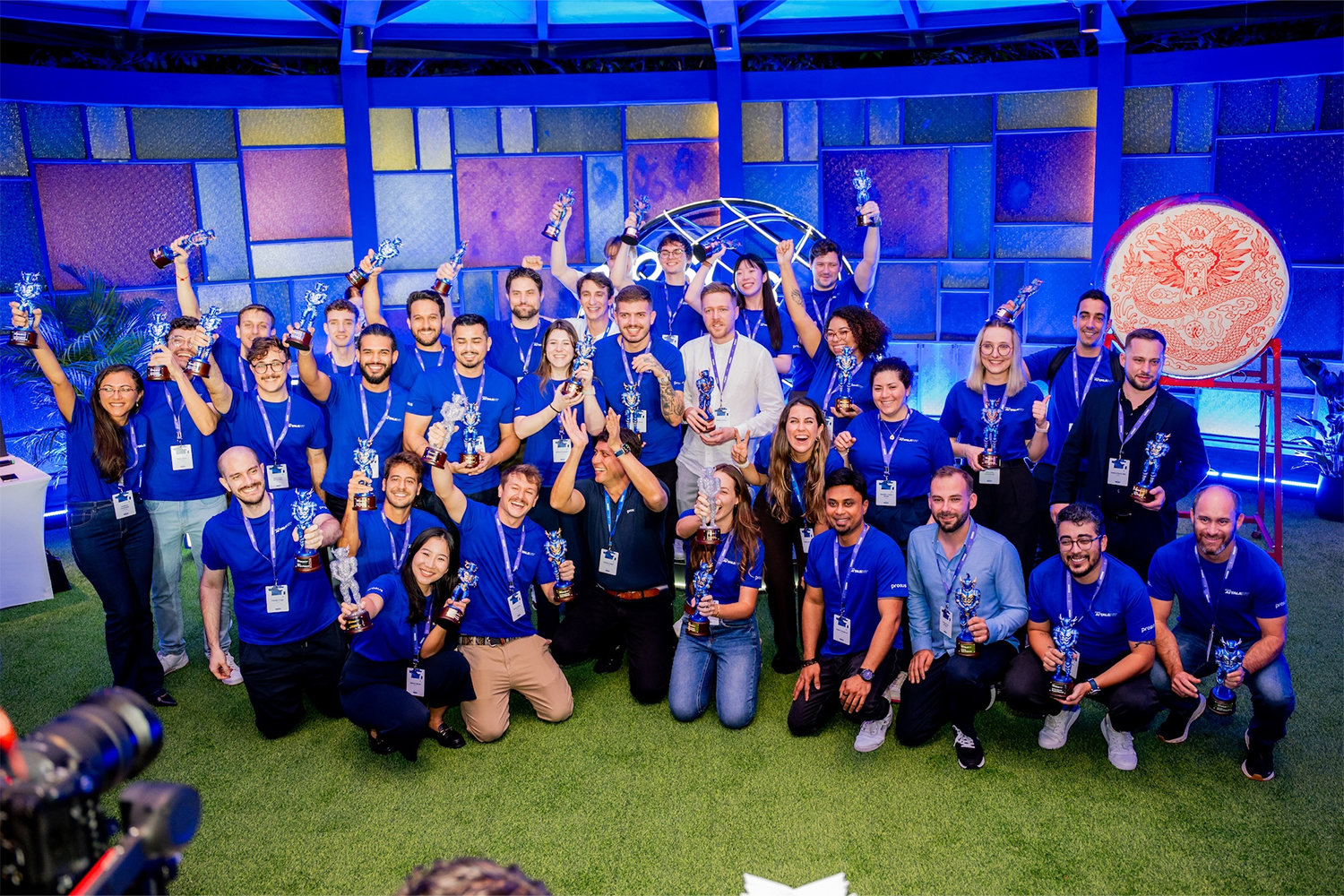
In April, those 12 teams traveled to Shenzhen to present their agents live to global judges.
We were one of them.
We thought we had it
We’re Gabriela, Mariane and Bruno, a data science team at iFood. And we set out to fix something that never quite worked.
CRM messaging has always followed the same pattern:
Segment users → send one message → hope it resonates.
But most of the time, it doesn’t.
So we built Echo. An AI agent designed to create messages for individuals, not segments. Messages that adapt to behavior, timing, and intent.
Instead of asking “what works for this group?”
Echo asks “what works for this person, right now?”
Early results were exciting:
- More relevant messages
- Stronger engagement
- A 40% lift in click-through rates in early tests
It felt like we were onto something.
Then things started to break
As we scaled, issues surfaced.
Messages didn’t always make sense. Some missed the mark entirely. Others introduced risks we couldn’t ignore.
And then came the harder realization: The numbers we trusted weren’t as solid as we thought.
We were celebrating results that didn’t hold up. It wasn’t just a technical problem.
It was a credibility problem.
The turning point
We had a choice: Keep pushing forward… or stop and rebuild properly.
We chose to stop. We shut the project down.
It wasn’t easy. But it forced us to rethink everything:
- How we measured success
- How we validated impact
- How we built trust in the system
We introduced proper control groups. We built continuous monitoring. We challenged every assumption.
What felt like a setback became a reset. And from there, things moved fast.
That’s what allowed Echo to scale to 40 million users—quickly, and more importantly, safely.
We introduced proper control groups. Built continuous monitoring. Challenged every assumption.
What felt like a setback became a reset.
And from there, things moved fast.
That’s what allowed Echo to scale to 40 million users quickly, and more importantly, safely.
Building with the ecosystem
One of the biggest advantages we had was being part of the Prosus ecosystem.
Working closely with the Prosus AI team helped us:
- Improve how we used and fine-tuned models
- Build more efficient systems
- Move faster with more confidence
But beyond the technical gains, something else shifted. We started thinking differently, more collaborative, more experimental, more open to learning from others.
That mindset stayed with us all the way to Shenzhen.
Shenzhen: where everything accelerates
By the time we reached Shenzhen, the challenge wasn’t just about the technology.
It was about stepping into something bigger.
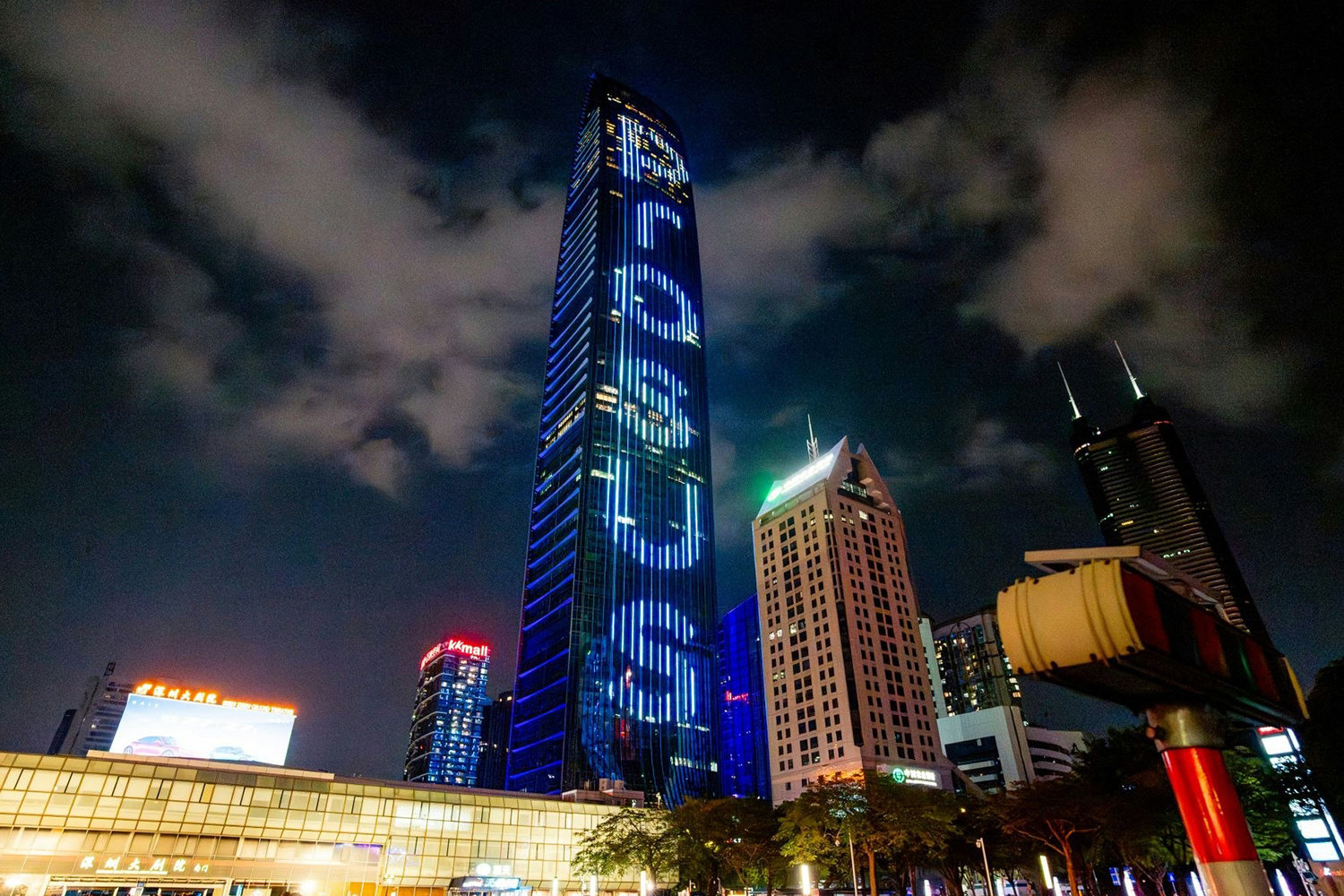
For many of us, it was a first impression of China, and it’s hard to describe just how different it felt. Not just ahead in time zones, but ahead in pace, mindset, and ambition.
Everything felt fast. Not rushed — just… in motion.
There was this underlying energy that made it feel like anything was possible and more importantly, possible soon.
What stood out most was the mindset. During presentations, you’d hear things like:
“The robot doesn’t do that yet… but give it 2–3 weeks.”
And it wasn’t said as a stretch goal. It was said with quiet certainty.
More than a competition
But as much as the technology stood out, the defining part of Shenzhen wasn’t the demos.
It was the people.
Meeting teams from across the Prosus ecosystem, all working on completely different problems, but with the same curiosity and drive, changed how we thought about what’s possible.
What started as a competition quickly became something else:
- Conversations that stretched late into the evening
- Ideas exchanged across teams and cultures
- And friendships formed in a matter of days
Being surrounded by people who are equally ambitious, equally curious, and equally willing to experiment pushes you to think bigger. And it makes the whole experience a lot more fun.
The stage
Then came the moment itself.
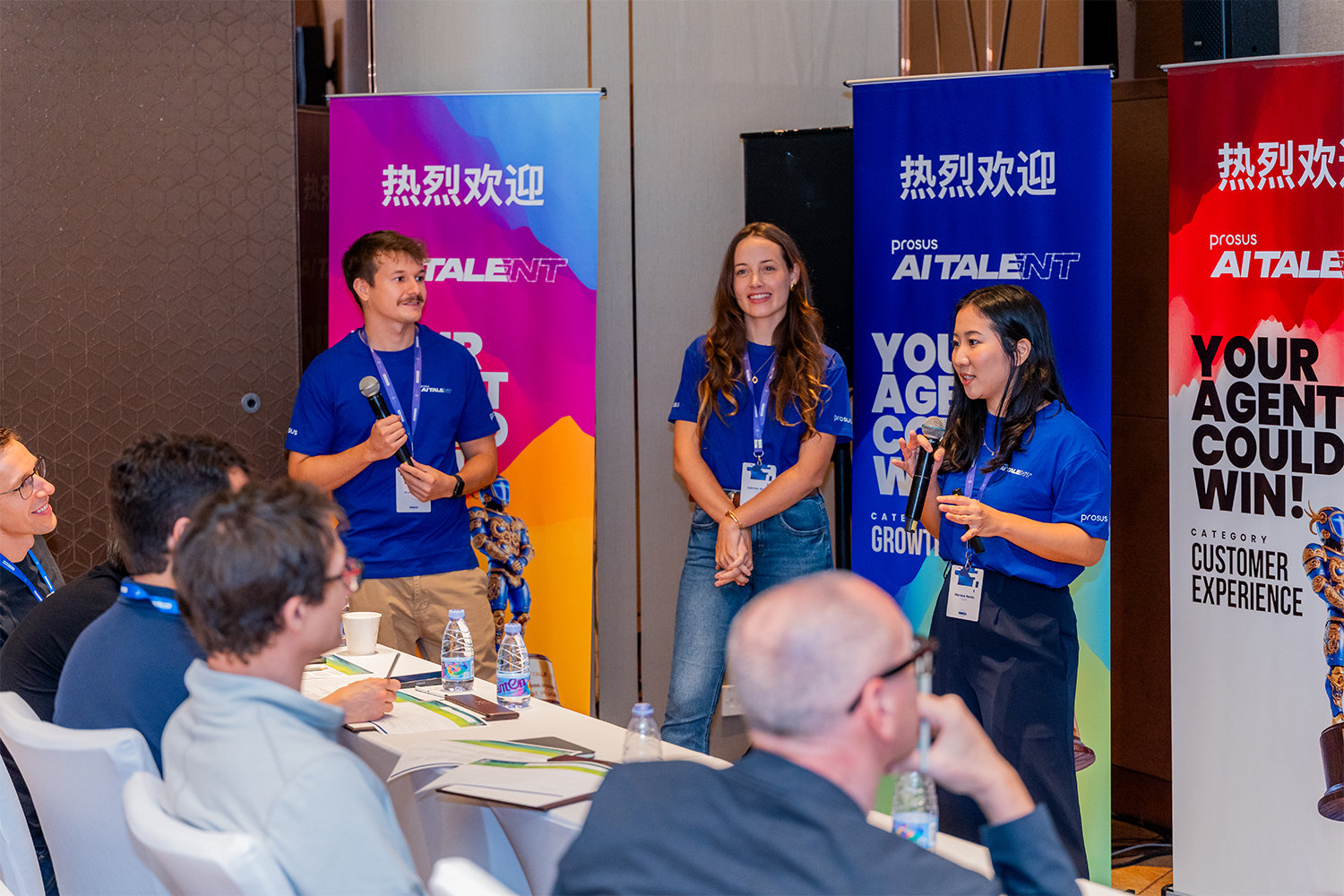
A global stage. A room full of leaders. A few minutes to bring everything together.
We were nervous.
One piece of advice stayed with us: “Don’t try to calm down. Use the energy.”
And that’s exactly what we did.
Instead of presenting a perfect story, we told the real one, including the part where we shut everything down.
Why that mattered
Afterwards, one of the judges shared something that stayed with us:
What made Echo stand out wasn’t just the outcome. It was the honesty of the journey.
Because the rebuild showed something important:
The system wasn’t just innovative. It was robust.
What winning really means
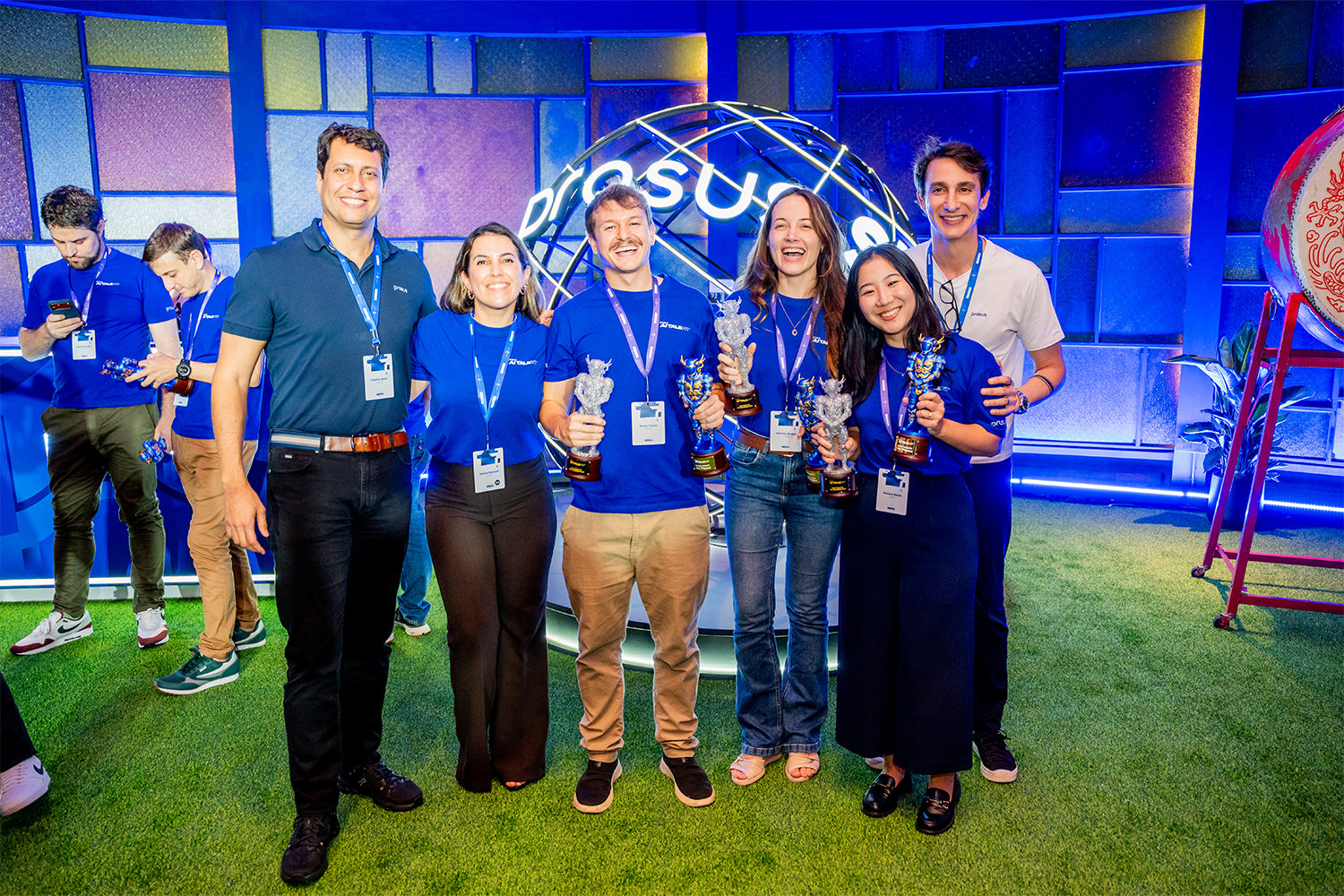
Echo went on to win the competition. Today, it reaches 40 million users daily.
But the biggest takeaway isn’t scale or recognition.
It’s this:
- Early success can be misleading
- Strong foundations matter more than fast wins
- And sometimes, progress starts with stopping
Looking back, shutting the project down wasn’t failure.
It was the moment everything started to work.
What this experience showed
The Prosus AI Talent Competition wasn’t just about building AI agents.
It showed what happens when you:
- Give people access to powerful technology
- Trust them to solve real problems
- And create space to experiment and learn
Out of more than 1,000 teams, 12 made it to Shenzhen. And the winning story wasn’t the smoothest one. It was the one that learned the fastest.
One idea that stayed
There’s one phrase we heard in Shenzhen that stayed with us: “The best way to predict the future is to build it.”
That idea captures the spirit of the entire experience.
This win isn’t just ours. It belongs to every team that was there… building, learning, and pushing what’s possible.
We’re here to build that future. Sometimes, more than once.