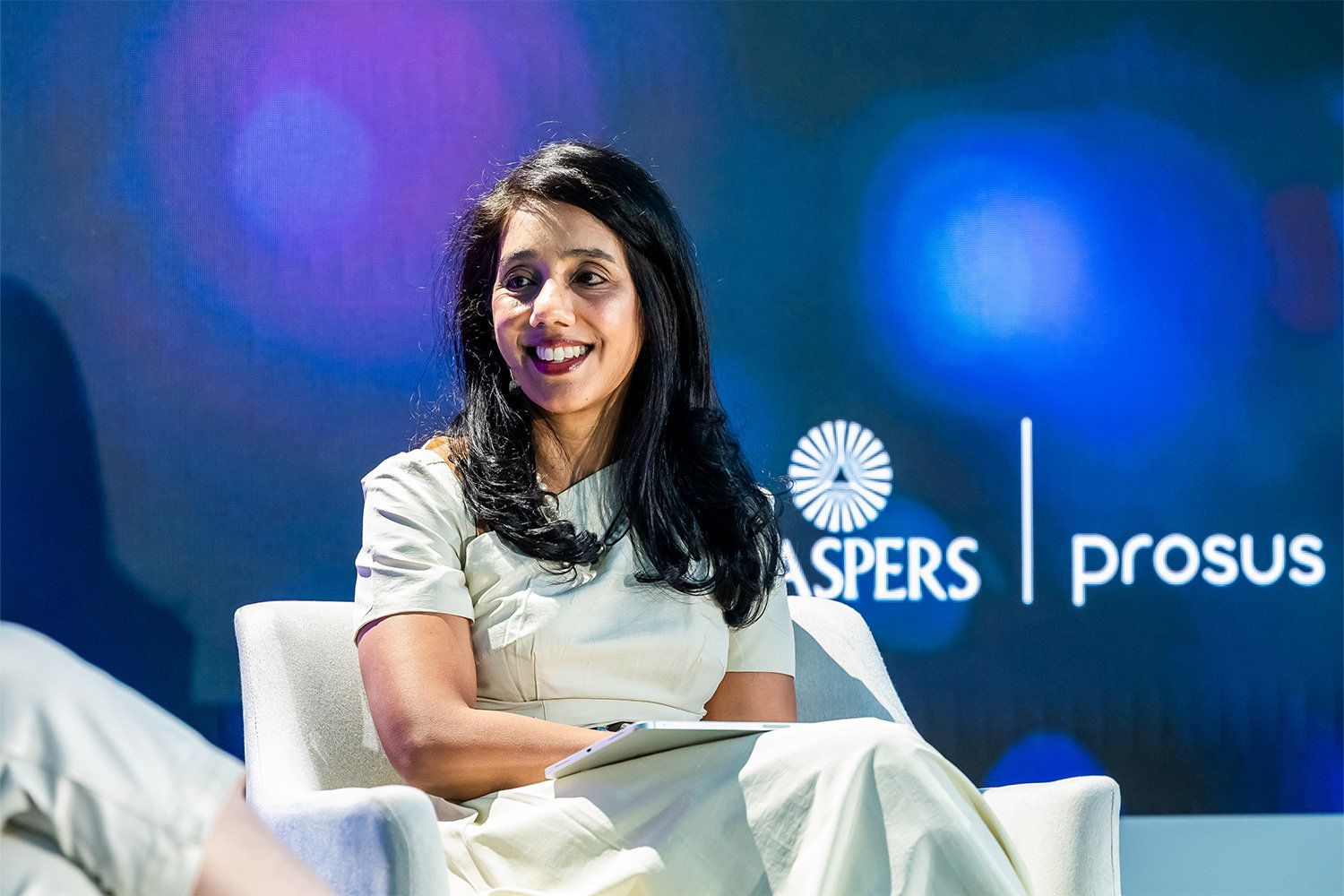


Fabricio Bloisi, CEO, Prosus
I grew up in Brazil, started a software company from a university dorm that sold almost nothing in its first years. But I didn’t quit. Today I lead a global technology company that serves more than a billion people across Europe, Latin America, and India. And yet, I am more excited now than I have ever been, because the biggest question of this decade is not who builds the smartest model, it’s where the value of the AI economy actually goes. That answer is not settled yet, and I think most people are looking in the wrong place for it.
Let me say the quiet part out loud. Intelligence became abundant. Every serious lab now has a brilliant model, and the distance between them keeps shrinking. Open models deliver near frontier performance at a fraction of the cost. The first AI race (the race to build the smartest model) ends in a tie. So if your plan is to access and use a great model, you do not have a plan. You have a subscription. Most companies already use AI, and almost none of them report a real gain from it. The value has not been captured. Not by them, not by anyone, not yet. The door is wide open right now.
If intelligence is abundant, what is scarce? Knowing what people actually want. Intent. And it does not live in the web text. It lives in orders and reorders, in abandoned carts, in the call centers, in messages, in the Tuesday night craving at eight in the evening, with your budget, your family, and your mood. A model can write you a beautiful poem about hunger. It cannot feel that.
Real desire doesn't sit in a training set
So intent does not sit on the open web waiting to be vacuumed up by a foreign lab. It is earned, one real interaction at a time. Data is the source of knowledge, and the knowledge that matters is not general. It is specific to your customers and to your company. Across food, travel, classifieds, e-commerce and payments, billions of real transactions are what teaches a company who its customers truly are. Train on that instead of web text and you do not get a better chatbot. You get something that knows what a person is going to want before they finish asking, that lifts conversion and cuts the cost of reaching the right customer by half. That is not magic. That is proprietary reality, and reality is the one thing you cannot download from the internet.
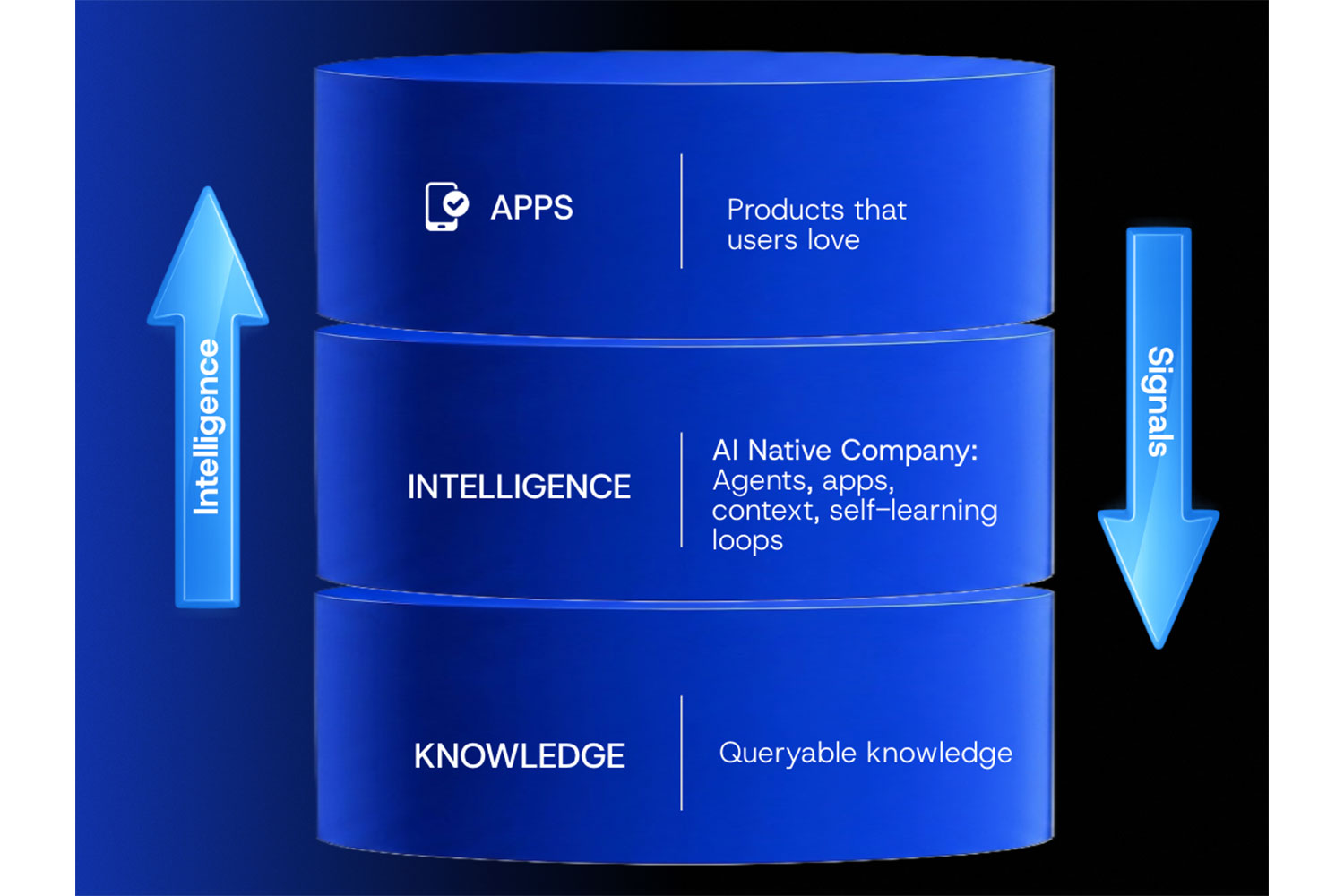
But owning the data is only the beginning. The companies that win will be AI native, and I mean something precise by that. AI does not sit on the side as a tool you consult now and then. It operates in every transaction, every customer interaction, every internal decision. Customer-facing assistants improve the same way. Humans do not disappear in this picture. We supervise, we set the ambition, we own the judgment calls that carry real consequences. That is the whole difference between using AI and being built on it.
The loop is the moat.
Every real interaction leaves a signal. Someone reorders on a Tuesday night. Someone abandons a cart at checkout. Someone calls support angry, then comes back. Someone walks out of a meeting having changed their mind. Most companies log these signals and move on. The ones that win feed them back into the product, into the model, into the next decision. That is the loop. Not a feature and not a dashboard. The AI is not the loop and the data is not the loop. The loop is the discipline of connecting them and closing it, over and over, faster than anyone else can. A competitor can buy a better model overnight. They cannot buy two years of closed loops. A company that improves automatically, every single day, compounds into something a competitor cannot catch by simply buying a better model. That gap compounds. That is the moat.
Data, intelligence and the loops that connect them. Whoever builds those layers controls what comes next. Whoever rents them does not.
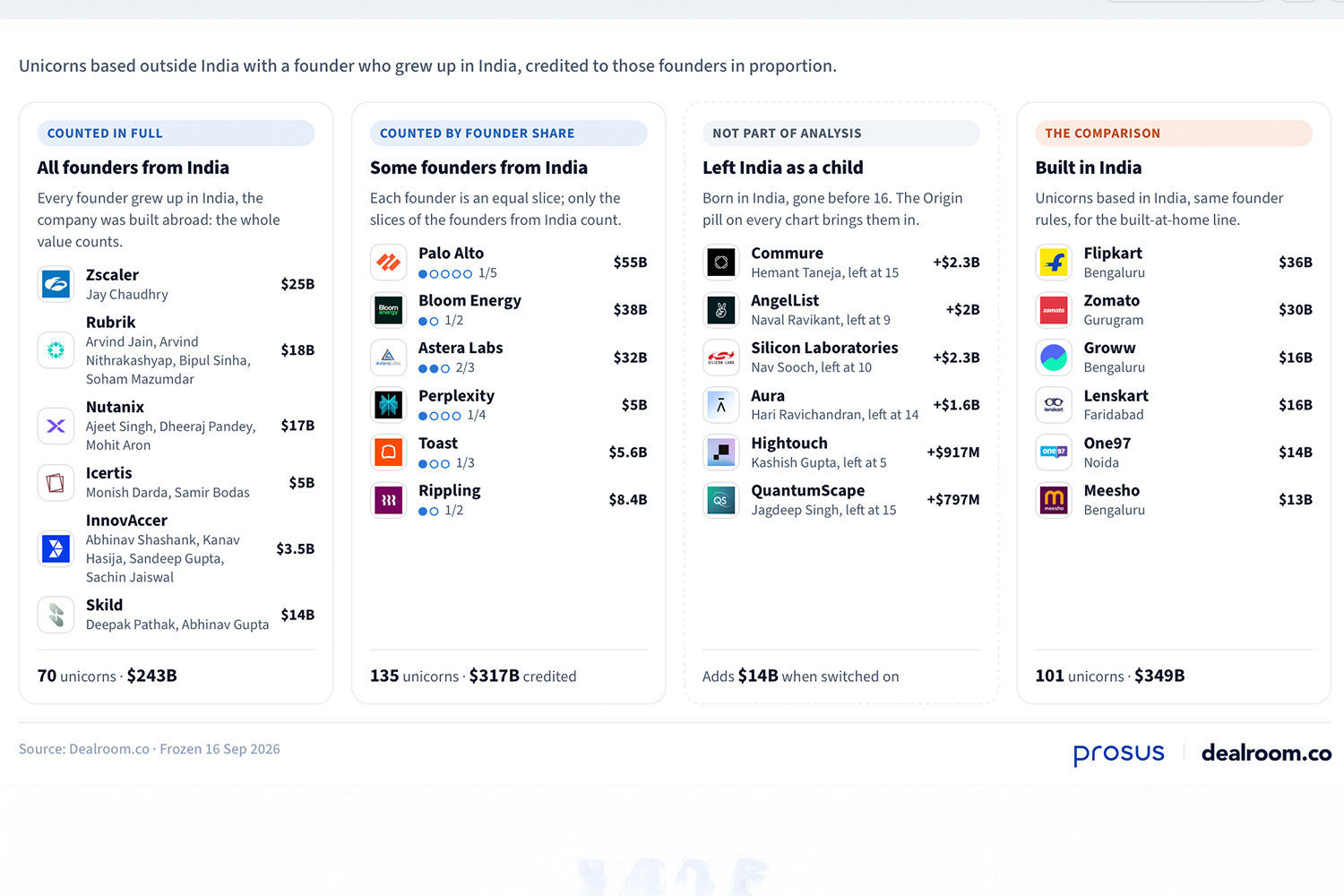
The future is elsewhere. Queries built Google. Buyers built Amazon. Intent builds what comes next. And intent is richest where the consumer internet is mobile-first, fast-moving, and intimate. India built rails no US lab owns, real public infrastructure that AI can sit on top of. Latin America is mobile-first, with data that the old institutions never saw. Europe has the talent and a very big market that requires solutions developed locally. There will be other Chinas. They will not look like the last one.
So here is what I believe. The next champions will be built by founders who own the customer, the language, the habit, and above all the intent. It will not be about the cleverest model or idea. It will be about grit, execution, speed, and the loops that never stop improving. Dream big for ten years and ship something real this month.
And we are just getting started!